
To Buy Lexapro Online Visit Our Pharmacy ↓
 Lexapro Vs. Other Antidepressants: a Comparative Guide.
Overview of Lexapro and Its Key Benefits
Lexapro, generically known as escitalopram, is a widely prescribed selective serotonin reuptake inhibitor (SSRI) primarily used to treat depression and generalized anxiety disorder. One of its standout benefits is its higher selectivity for serotonin reuptake, which often translates to fewer side effects compared to other SSRIs. As a result, patients frequently report better tolerance and adherence to their treatment regimen.
#### Key Benefits of Lexapro: - **Efficacy:** Demonstrates a high success rate in alleviating symptoms of depression and anxiety in many patients. - **Onset of Action:** Some patients may experience symptom relief in as little as one to two weeks. - **Side Profile:** Generally has a lower risk of side effects, particularly sexual dysfunction and weight gain.
| Aspect | Benefit |
|---|---|
| Efficacy | High success rate in treating depression and anxiety |
| Onset of Action | Relief in 1-2 weeks |
| Side Profile | Lower risk of sexual dysfunction and weight gain |
Additionally, Lexapro's relatively simple dosing schedule—typically once a day—adds to its convenience, making it a user-friendly option for those new to antidepressants or those juggling multiple medications.
How Lexapro Works: Mechanism of Action
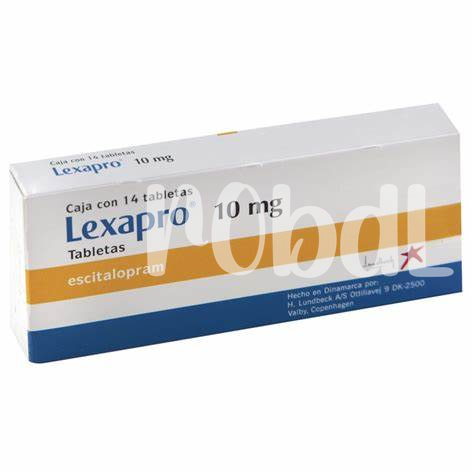
Lexapro, also known by its generic name escitalopram, is a selective serotonin reuptake inhibitor (SSRI) that primarily affects the brain's chemical balance by increasing the levels of serotonin, a neurotransmitter that influences mood, emotions, and sleep. By preventing the reabsorption of serotonin into neurons, Lexapro helps maintain higher levels of this "feel-good" chemical in the synaptic gap between neurons, facilitating improved mood stability and anxiety reduction.
Uniquely, Lexapro targets serotonin with high specificity, which may contribute to its effectiveness and relatively favorable side effect profile compared to other SSRIs. This precision allows Lexapro to deliver consistent therapeutic benefits with lower doses, minimizing the risk of adverse effects and enhancing patient compliance.
Research suggests that Lexapro's focused action on serotonin reuptake may result in quicker symptom relief for depression and anxiety, making it a preferred choice for many patients. Its ability to provide a smoother therapeutic experience sets it apart, making it a compelling option for treating mood disorders effectively.
Lexapro Vs. Ssris: Effectiveness and Side Effects
When it comes to effectiveness, Lexapro often stands out due to its targeted mechanism as an SSRI. Clinical studies have shown that Lexapro can be more effective than other SSRIs for certain individuals, particularly those with generalized anxiety disorder. The efficacy of Lexapro is largely attributed to its specific inhibition of serotonin reuptake, which helps stabilize mood and reduce symptoms of depression.
However, it's important to weigh the benefits against potential side effects. Common side effects of Lexapro include nausea, sleep disturbances, and sexual dysfunction. While these are typical of many SSRIs, some patients report experiencing fewer side effects with Lexapro compared to other SSRIs like Zoloft or Prozac. The variation in side effects among SSRIs emphasizes the need for personalized treatment plans, highlighting that what works best can vary significantly from person to person.
Lexapro Compared to Other Types of Antidepressants
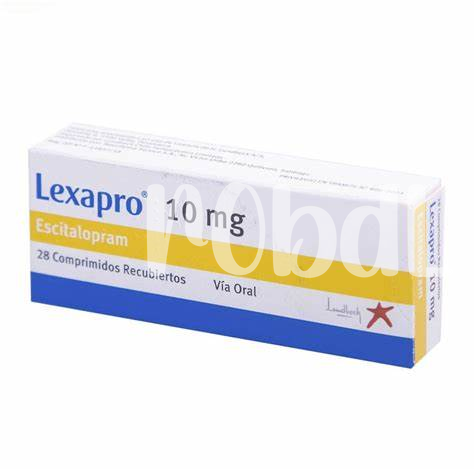
When comparing Lexapro to other types of antidepressants such as tricyclics (TCAs) and monoamine oxidase inhibitors (MAOIs), one notable difference is the side effect profile. Unlike TCAs, which can cause dry mouth, blurred vision, and constipation, Lexapro tends to have milder side effects, making it more agreeable for long-term use.
Furthermore, in juxtaposition with MAOIs, which necessitate dietary restrictions to avoid potential deadly interactions, Lexapro offers a more user-friendly regimen. This can significantly improve patient adherence to the medication, a crucial factor for successful treatment outcomes.
Lastly, Lexapro’s relatively rapid onset of action compared to TCAs and MAOIs can provide quicker relief for those suffering from severe depressive episodes, promoting a faster return to daily functioning.
Patient Experiences: Lexapro Versus Other Medications
Many patients have shared their experiences with Lexapro, comparing it to other antidepressants. A significant number have noted that Lexapro tends to cause fewer side effects than other SSRIs, such as Zoloft or Prozac. Specifically, users emphasize its relatively gentle impact on their daily activities. For instance, while some medications might lead to drowsiness or weight gain, Lexapro is often associated with more manageable side effects. This feedback is particularly crucial for individuals who need to maintain their day-to-day productivity without debilitating interruptions.
Furthermore, effectiveness plays a major role in patient perceptions. Numerous individuals have reported that symptoms of anxiety and depression were alleviated more effectively with Lexapro. This anecdotal evidence aligns with clinical studies showcasing higher remission rates for Lexapro compared to certain tricyclic antidepressants. Ultimately, the subjective experience varies from person to person, but the general consensus indicates a favorable balance between effectiveness and side-effect profile with Lexapro.
| Aspect | Lexapro | Other Antidepressants |
|---|---|---|
| Side Effects | Fewer and more manageable | Often more severe (e.g., drowsiness, weight gain) |
| Effectiveness | Higher remission rates | Varies, often lower than Lexapro |
Making the Right Choice: Factors to Consider
Choosing the right antidepressant involves several key factors. First, it's essential to consider the specific symptoms that need treatment. For example, if anxiety is a significant component of one's depression, Lexapro, known for its anxiolytic properties, might be more effective.
Second, the side effect profile of the medication should be considered, as this can vary greatly between individuals and can influence adherence to the treatment. Third, personal and family medical history can guide the choice, especially if certain medications have proven effective or problematic in the past.
Lastly, consult your healthcare provider for personalized guidance, as they can offer professional insight tailored to your unique situation. Their expertise ensures a well-informed choice fitting your health needs.