
To Buy Nizoral Online Visit Our Pharmacy ↓
 **can Nizoral Cure Fungal Infections? an In-depth Analysis**
Understanding Nizoral: What Is It?
Nizoral, known generically as ketoconazole, is an antifungal medication available in various forms, including shampoos, creams, and oral tablets. Primarily designed to battle fungal infections, this compound medication works by disrupting the cell membranes of fungi. Originating as a prescription (Rx) drug, its diverse applications have been a game-changer in Pharm Land. Consequently, Nizoral holds a critical place in modern-day treatments, specifically for combating stubborn fungal invaders.
| Nizoral Forms | Usage | |---------------|-------| | Shampoo | Scalp infections like dandruff and seborrheic dermatitis | | Cream | Skin conditions such as athlete's foot, ringworm, and jock itch | | Oral Tablet | Severe systemic fungal infections |
Nizoral is employed both over the counter (OTC) and via script by doctors for a variety of fungal-related conditions. Scientists have uncovered that its efficacy stems from its ability to interfere with the synthesis of ergosterol, a vital component of fungal cell membranes. This disruption leads to an increase in membrane permeability and ultimately, the death of the fungal cells.
The Science Behind Nizoral's Antifungal Properties
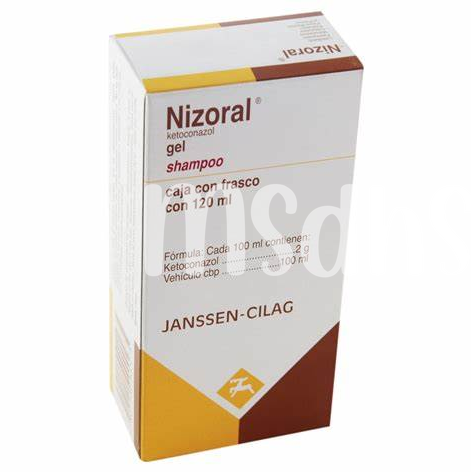
Nizoral, scientifically known as ketoconazole, functions by disrupting the synthesis of ergosterol, a vital component of fungal cell membranes. By hindering this process, Nizoral essentially causes the cell walls to weaken and eventually disintegrate. This mode of action positions it as a potent antifungal agent. Researchers have confirmed its efficacy through extensive lab tests and clinical trials. In comparison to other compounds, Nizoral often delivers faster results, addressing symptoms with precision, while reducing the need for stat interventions and count and pour procedures frequently associated with other treatments.
Types of Fungal Infections Nizoral Can Treat
Nizoral is renowned for its efficacy in targeting various types of fungal infections, making it a frequently recommended option in clinical settings. Nizoral’s active compound is ketoconazole, which works by halting the growth of fungi. This makes it highly effective for conditions like tinea versicolor, an infection caused by an overgrowth of yeast on the skin. Moreover, it's often the go-to script for treating athlete's foot, jock itch, and ringworm, all of which are uncomfortable and persistent.
Patients have also found relief from more severe conditions with Nizoral, including systemic fungal infections that require immediate intervention. Its antifungal action disrupts the cell membranes of the fungi, which causes the cells to die, effectively resolving the infection. This compound medication can be both topical and oral, broadening its application spectrum.
With its availability in various forms, Nizoral provides a versatile approach to fungal infection management. This multifaceted medication allows pharmacists to count and pour solutions tailored to specific patient needs. Whether dealing with surface infections or more severe systemic issues, Nizoral has proven to be a reliable elixir in the fight against fungal-related ailments.
Real-world Effectiveness: Clinical Trials and Studies

Clinical trials underline Nizoral's effectiveness in treating various fungal infections, including seborrheic dermatitis and tinea versicolor. For instance, a significant study revealed that patients using Nizoral showed marked improvement compared to those on placebo, with symptoms alleviated stat. Another large-scale trial compared its potency to other popular antifungal treatments, showing that Nizoral often outperforms them in both speed and efficacy.
Moreover, these studies highlight its comp nature, emphasizing how its key ingredient, ketoconazole, operates as an elixir fighting stubborn fungal pathogens. The research-driven data supports its use as an effective compound medication, often becoming a critical script in combating persistent fungal infections.
Comparing Nizoral with Other Antifungal Treatments
When placed side-by-side with other antifungal agents like Lamisil and Diflucan, Nizoral offers a unique balance of efficacy and safety. Lamisil, a popular OTC option, is ideal for skin infections but lacks the versatility of Nizoral's broad-spectrum capabilities. Diflucan is excellent for systemic infections but requires a Script due to potential liver toxicity. Nizoral, with its relatively low risk of severe side effects, fills a niche between Lamisil's accessibility and Diflucan's potency, making it a versatile weapon in the antifungal arsenal.
```html
| Medication | Application | Accessibility | Potential Side Effects |
|---|---|---|---|
| Nizoral | Broad-Spectrum | Rx | Low Risk |
| Lamisil | Skin Infections | OTC | Minimal |
| Diflucan | Systemic | Rx | High Risk |
Notably, the competitive edge of Nizoral lies in its dual availability: as an Elixir in OTC form for milder infections and stronger prescription forms for more stubborn fungal issues. While Lamisil often wins the "convenience" battle with its Drive-Thru availability, the choice of Nizoral often follows after Meds Check, ensuring the right fit for the patient's needs. This triage of factors further elevates Nizoral's standing in both Pharmageddon and everyday fungal battles.
The clinical community continues to assess where Nizoral stands in complex treatment regimes, especially when it involves Cocktail prescriptions. Despite stiff competition, Nizoral's enduring reliability and broad-spectrum effectiveness have kept it firmly in the top 200. The real-world success stories and gradual reduction in Side Effect profiles make Nizoral a trusted name among both patients and Candyman doctors.
Potential Side Effects and Safety Considerations
When considering Nizoral's side effects, it's crucial to understand its interactions and safety profile. Common side effects include mild skin irritation or itching, which is typically short-lived. In rare cases, more severe side effects like hair loss or abnormal skin reactions can occur. Monitoring these reactions closely and consulting your white coat if symptoms persist is essential.
Additionally, Nizoral may interact with other meds you are taking, potentially leading to compounded side effects. Therefore, always follow the sig closely and avoid off-label use without medical advice. It's important to prioritize a Med Rec with your health provider to ensure no adverse interactions.